

Cultural reflections on gambling practices around the world
Historical Perspectives on Gambling
Gambling has been a significant part of human civilization for centuries, deeply rooted in various cultures around the globe. From ancient China, where rudimentary games involving dice were played, to the elaborate betting systems of the Roman Empire, historical records suggest that gambling activities have evolved alongside societal changes. Different cultures have incorporated gambling into their social fabric, often linking it to rituals and traditions that reflect the values and beliefs of their communities. For modern players, platforms such as payid pokies list are becoming increasingly popular, enhancing the gaming experience.
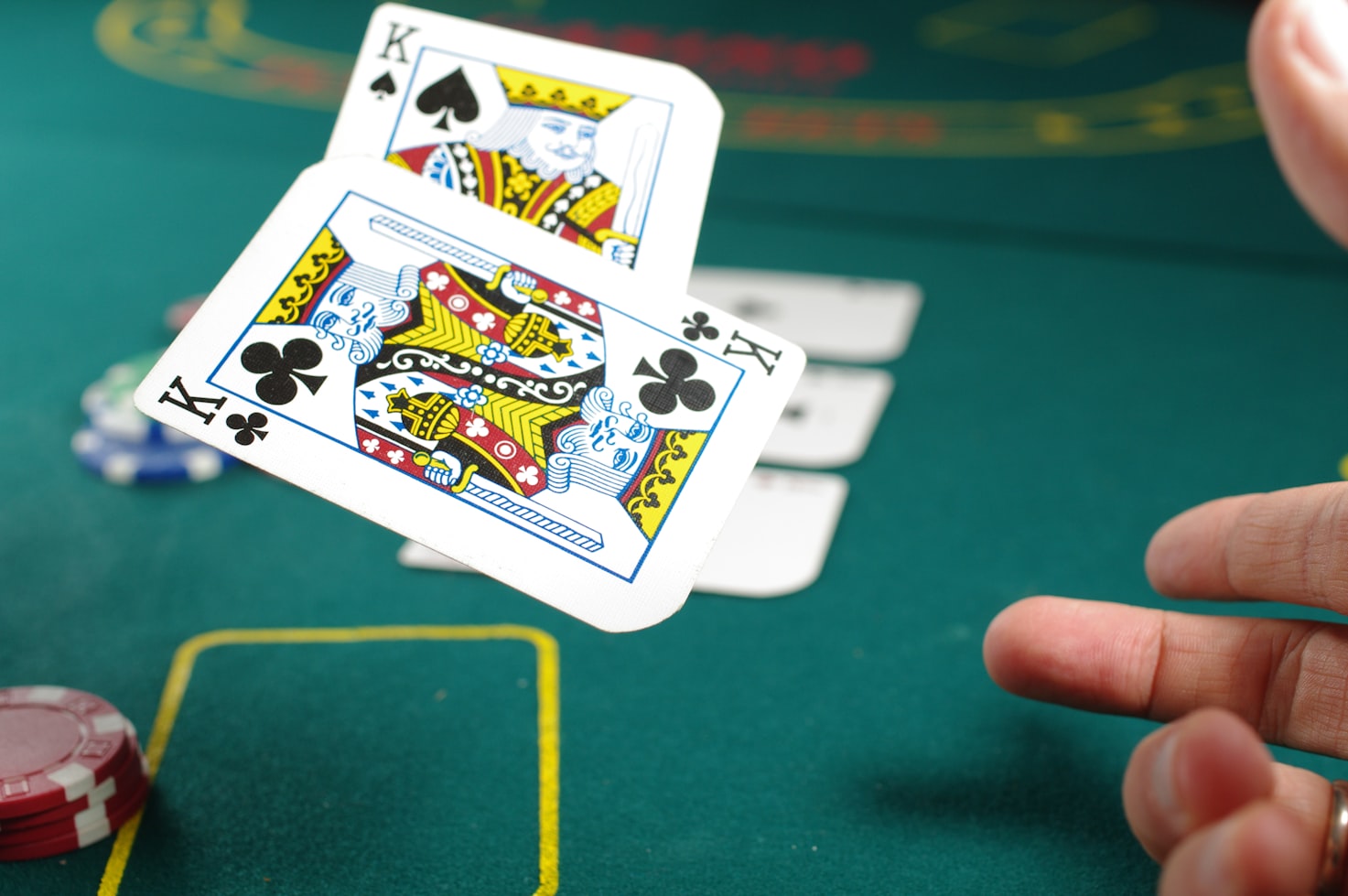
The Renaissance period saw the emergence of structured gambling, with games like poker and blackjack gaining popularity. This evolution showcased a shift towards more formalized gambling practices, often tied to economic growth and cultural exchange during that time. As countries engaged in trade, they also exchanged gambling practices, leading to the proliferation of various games and betting systems across borders.
Modern Gambling: A Global Overview
Today, gambling takes on various forms around the world, from state-run lotteries to vibrant casino cultures. Each region reflects unique societal norms and regulations. For example, in Las Vegas, the casino industry thrives on entertainment and tourism, creating an environment where gambling is both accessible and celebrated. Conversely, in many parts of Asia, gambling often intertwines with traditions and is sometimes viewed through a lens of superstition.
The accessibility of online gambling has also transformed the landscape significantly. Countries with strict regulations on physical casinos have seen a surge in online platforms, allowing individuals to engage in gambling from the comfort of their homes. This shift not only changes the way people gamble but also how cultures perceive and interact with gambling practices.
Gambling and Social Dynamics
The impact of gambling on social dynamics is profound, influencing relationships, community structures, and even mental health. In some cultures, gambling is seen as a communal activity that fosters social bonds and creates a shared experience among participants. In contrast, other cultures may view gambling as a vice, leading to social stigma and isolation for those who engage in it.
Moreover, the relationship between gambling and socioeconomic status often highlights disparities within societies. While some individuals may benefit from the economic opportunities that gambling presents, others may struggle with addiction and financial instability. This duality raises questions about responsible gambling and the need for support systems to mitigate its adverse effects.
Cultural Attitudes Towards Gambling
Cultural attitudes toward gambling vary significantly, shaped by historical, religious, and legal influences. In countries like the United States, attitudes are predominantly liberal, with gambling viewed as an entertainment option. However, in more conservative cultures, such as in parts of the Middle East, gambling is often outlawed, reflecting religious beliefs that prohibit games of chance.
These varying attitudes can lead to differing regulations and approaches to gambling. For instance, some countries promote tourism through casinos, while others impose heavy restrictions. Understanding these cultural perspectives is essential for grasping how gambling practices operate globally and influence local economies and communities.

Exploring Online Gambling Platforms
As gambling continues to evolve, online platforms like PayID Pokies provide a modern avenue for players worldwide. These platforms are designed to cater to the needs of contemporary gamers, offering a wide selection of games along with instant deposits and withdrawals. The focus on user experience ensures that players can enjoy a secure and enjoyable gambling experience.
With an emphasis on convenience and safety, online gambling platforms have reshaped the industry, allowing users to engage with their favorite games anytime and anywhere. This flexibility not only appeals to seasoned players but also attracts newcomers, making gambling more accessible and integrated into everyday life.