


Horse racing is a centuries-old tradition in the UK, deeply woven into the fabric of the nation’s sporting culture. One of the most intriguing aspects of this sport is not just the races themselves, but also the days when there are no races scheduled. A surprising number of people may wonder how non-racing days affect the broader atmosphere of the sport, the economy it supports, and the fans who thrive on the excitement of the races. In this article, we will dissect the implications of these non-racing days, including their economic impact, how they affect fan engagement, and how alternative events fill the gaps. For more information about equestrian-related activities, check out UK horse racing not on GamStop Merseyside Mounted.
The Importance of Racing Days in the UK
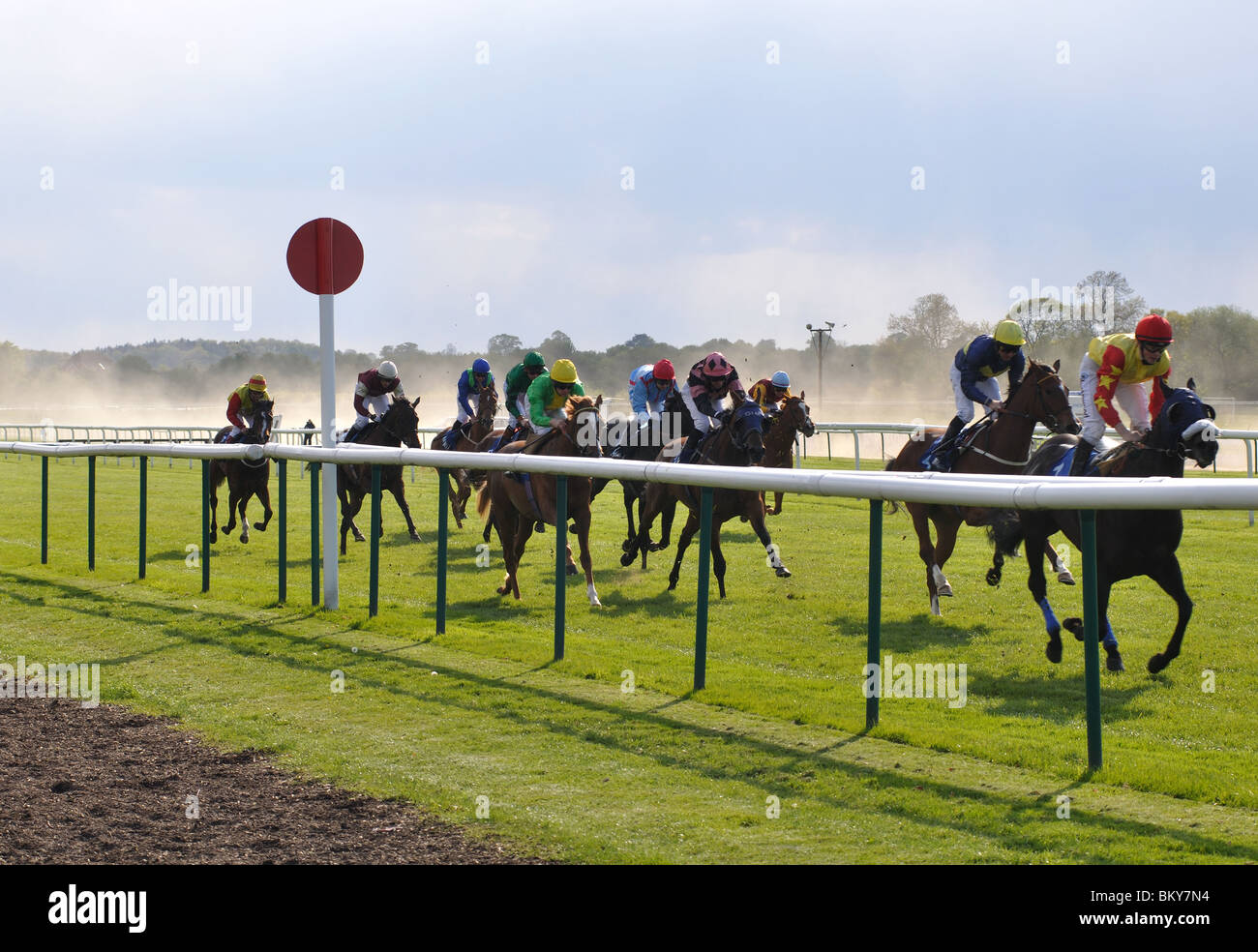
The UK has long been regarded as one of the world’s premier horse racing nations. With famous events such as the Grand National, Royal Ascot, and the Epsom Derby, racing is a major attraction for tourists, punters, and socialites alike. On racing days, racecourses come alive with the sounds of cheering crowds, the thunder of hooves, and the vibrant atmosphere of both on-course and digital betting. The economic stakes are high, with millions of pounds changing hands on a single race day. These events contribute substantially to local economies, creating jobs, stimulating tourism, and supporting various industries from hospitality to transportation.
The Economic Ramifications of Non-Racing Days
Non-racing days—days when no formal racing events are held—can create significant challenges for the industry. The absence of a race day means a loss of direct revenue for racecourses, local businesses, and even official betting shops. According to recent studies, an average racecourse can expect to earn anywhere from £1 million to £2 million on a busy race day, and the multiplier effects on surrounding businesses can extend that impact significantly.
However, the consequences of non-racing days stretch beyond mere financial loss. They can initiate a chain reaction that influences various sectors. For example, hotels and restaurants reliant on racing fans are often quieter on non-racing days, leading to potential job insecurity and decreased revenue for those establishments. In contrast, organisers of alternate events may take this opportunity to stage other types of gatherings, but these need to be well-planned and marketed to pull fans away from horse racing.
Fan Engagement and Community Activities
The emotional connection that fans have with horse racing can be challenged on non-racing days. For avid followers of the sport, these days can feel devoid of excitement and connection. Racing represents not just an entertainment portal but also a community activity that fosters friendships and social networks. On days without racing, fans often turn to online forums or social media, seeking ways to engage with their favorite sport, but this may fall short of the live experience.

In a bid to retain fan engagement during non-racing days, some racecourses and associations have begun hosting community-focused events such as charity races, equestrian exhibitions, and educational programs about horse care and training. These events serve dual purposes: keeping the spirit of horse racing alive and fostering a love for equestrian sports among younger generations. Engaging families through these alternative activities can help fill the void left on racing days and promote the sport’s long-term sustainability.
Alternative Events: Embracing the Off-Season
Non-racing days can function as an opportunity for innovation within the horse racing community. Racecourses that adapt and diversify their offerings can turn potentially negative days into beneficial ones. By hosting events like music festivals, food fairs, and other sports competitions, they attract different demographics, creating a festive atmosphere that can entice people to visit while keeping a connection to horse racing culture alive.
Some racecourses have successfully transformed non-racing weekends into equestrian showcases, featuring events like show jumping and dressage, which can educate attendees about the variety of skills and disciplines within the equestrian world. Moreover, these events often attract sponsorship opportunities that can mitigate the losses incurred during non-racing days.
Digital Engagement and Virtual Racing
As the world shifts towards a more digital landscape, the horse racing industry is experiencing a transformation. Virtual racing allows fans to enjoy and engage with horse racing even on non-racing days. Online platforms hosting simulated races garner substantial interest, allowing fans to place bets and engage in a live-like environment despite no physical races occurring. This aspect of digital innovation is particularly appealing in the current climate, wherein physical gatherings may be limited or discouraged.
Racing organizations are also capitalizing on social media and streaming platforms to offer engaging, unique content to fans. Interviews with jockeys, behind-the-scenes glimpses, and educational videos on race preparation keep the community engaged and maintain the allure of racing even during non-racing days. Many fans report feeling a stronger connection to the sport when they have access to this type of insider knowledge.
Conclusion
In conclusion, non-racing days in the UK horse racing world present both challenges and opportunities. While they may severely impact the economy and fan engagement, they also create avenues for creativity and evolution within the sport. By embracing community activities, alternative events, and advancements in digital engagement, the horse racing industry can successfully navigate these gaps and keep fan interest alive. As we continue to evolve in the 21st century, it’s evident that a rich tradition such as horse racing must adapt while honouring its roots to thrive in the future.